
Business Members
BUSINESS MEMBERS
In addition to national booksellers associations and independent booksellers, EIBF also has business members. You can see their profiles below.
In addition to national booksellers associations and independent booksellers, EIBF also has business members. You can see their profiles below.
EIBF is proud to also have independent booksellers as associate members. You can see their profiles below.
| Ali and Nino Bookstores |
| Ici Sont les Lions |
| Nooroongji |
| Rit og Rák |
| Shakespeare & Co |
| Librería SOPHOS |
| Hoepli |
| IQ Bookstore |
| Grāmatnīcas Jānis Roze |
| Librairie Ernster |
| Livraria Bertrand |
| Cărturești |
| Librăria La Două Bufniţe |
Below you can find an overview of booksellers associations around the world.
| BookPeople |
| Асоциация “Българска книга” – АБК (Bulgarian Book Association) |
| Canadian Independent Booksellers Association |
| Kirjakauppaliitto (Finnish Booksellers Association) |
| Syndicat de la Librairie Française – SLF |
| Syndicat des Distributeurs de Loisirs Culturels – SDLC |
| Association des Librairies Informatisées & utilisatrices de Réseaux Electroniques – ALIRE |
| Börsenverein des Deutschen Buchhandels e.V. (German Publishers and Booksellers Association) |
| Bookselling Ireland |
| ALI - Associazione Librai Italiani |
| Latvijas Grāmattirgotāju asociācija (Latvian Booksellers Association) |
| Fédération des Libraires Luxembourgeois |
| Koninklijke Boekverkopersbond – KbB (Dutch Booksellers Association) |
| Booksellers Aotearoa |
| Den norske Bokhandlerforeningen |
| Associação Portuguesa de Editores e Livreiros – APEL (Portuguese Publishers and Booksellers Association) |
| ReLI - A Rede de Livrarias Independentes |
| Združenie vydavateľov a kníhkupcov SR |
| CEGAL - Confederación Española de Gremios y Asociaciones de Libreros |
| Ceylon Booksellers Importers and Exporters Association |
| Svenska Bokhandlareföreningen (Swedish Booksellers Association) |
| Schweizer Buchhandels- und Verlags- Verband – SBVV (Swiss Bookseller and Publishers Association) |
| The Booksellers Association of the UK and Ireland |
| American Booksellers Association – ABA |
Austria
Hauptverband des Österreichischen Buchhandels
Belgium
Le Syndicat des libraires francophones de Belgique – SLFB
Vereniging Vlaamse Boekverkopers – VVB
China
Books and Periodicals Distribution Association of China
Cyprus
Cyprus Booksellers Association
Czech Republic
Svaz českých knihkupců a nakladatelů (Association of Czech Booksellers and Publishers)
Denmark
Boghandlerforeningen (Danish Booksellers Association)
Estonia
Eesti Raamatukaubastajate Liit
Greece
Πανελλήνια Ομοσπονδία Εκδοτών Βιβλιοπωλών (Hellenic Federation of Publishers and Booksellers)
Poland
South Africa
South African Booksellers Association
United States of America

The European and International Booksellers Federation represents national booksellers associations in the European Union and beyond. EIBF Members in turn have in membership booksellers of all kinds: brick and mortar bookshops, online bookshops, independents, chains.
The European and International Booksellers Federation represents national booksellers associations in the European Union and beyond. Our members in turn represent a variety of booksellers, including brick and mortar bookshops, online bookshops, independent bookshops, and chains. Through its member associations, we speak on behalf of more than 25,000 individual booksellers.
We believe bookshops are an integral part of local communities, providing access to literature and culture, contributing to financial sustainability in their areas, and helping to improve reading outcomes for all.
Our mission is to represent our members and their interests on a global platform, before the European institutions and other international organisations. We provide policymakers with professional information about the economic, cultural, and educational role booksellers play, and advocate for book-friendly policies, for the benefit of all readers.
By strengthening the link between booksellers associations from across Europe and worldwide, we foster the exchange of best practice between our members and provide a forum for discussion and cooperation between the representative bodies of booksellers throughout Europe and beyond.

Please find below the EIBF Co-Presidents and Board Members.

President
Owner of Paagman Boekhandels, the Netherlands

Vice-President in charge of International Affairs
Managing Director of the Booksellers Association of the UK and Ireland, UK
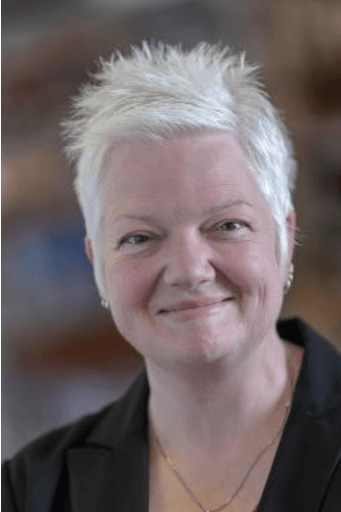
Board Member
Bookseller at Buchhandlung Hoffmann and Buchhandlung Jost

Board Member
Secretary General of
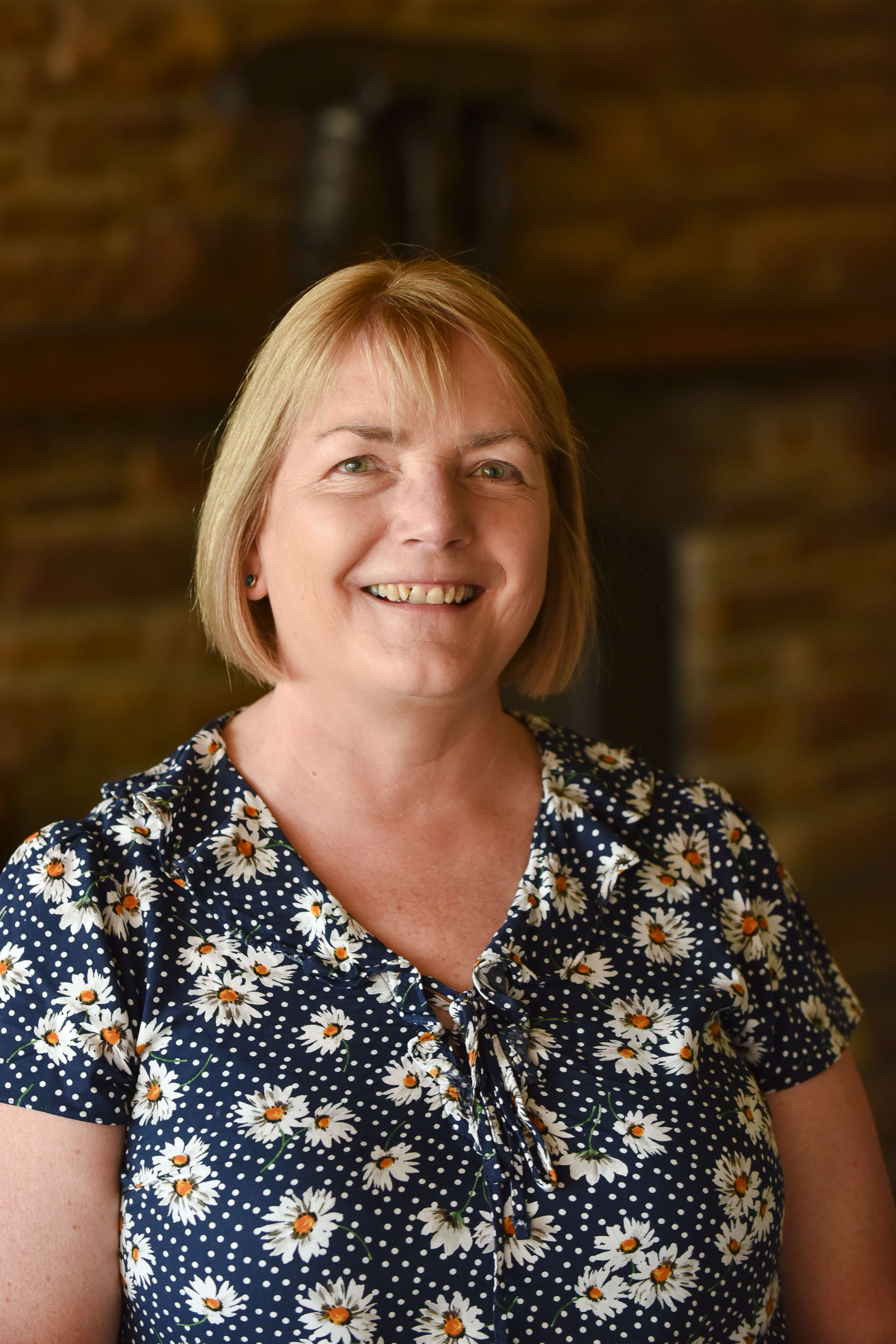
Board Member
Bookselling Ireland Liaison at the Booksellers Association of the UK and Ireland

Board Member
Director for European and International Affairs at the Börsenverein des Deutschen Buchhandels, Germany
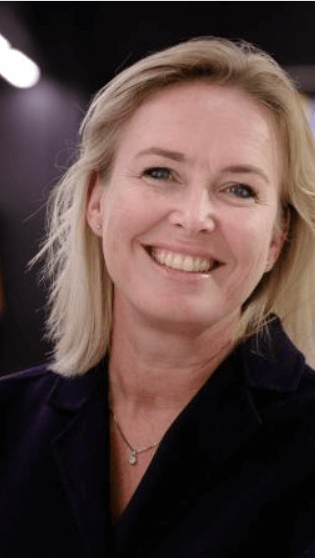
Board Member
Director of the Bokhandlerforeningen

Board Member
Executive Director of ALIRE

Board Member
Director of Koninklijke Boekverkopersbond
Get in touch with our team in Brussels

Communication and Events Assistant
rossella.madrigrano@europeanbooksellers.eu

Policy Officer
lorenzo.dallomo@europeanbooksellers.eu

Project and Research Assistant
miriam.fofana@europeanbooksellers.eu

Director
ewelina.oksiuta@europeanbooksellers.eu
Below you will find links to initiatives we are involved in and partners that we work with closely.
The book sector is evolving – adapting to keep up with a rapidly changing world. In a post-covid era, bookshops have proven their resilience and relevance, and their customers have shown loyalty. Many bookshops have already invested in digital technologies and the green economy, and they’re eager to be part of a sustainable future.
But they still face challenges. The environmental impact of books has become a topic of discussion in just the same way as it has for other commodities like food and clothing. We’ve also experienced a rise in extreme politics and censorship, which pose a threat to freedom of expression. And we see decreasing literacy rates and fewer young people choosing a career in the book sector.
Books touch our societies and communities at every level, from education to employment opportunities to politics. We believe that bookshops must provide a safe and inclusive haven for everyone. They are crucial to encouraging diversity through the voices they bring to readers via the books on their shelves. Bookshops are an intrinsic part of local life, offering an important alternative to the big tech giants.
That’s why the European and International Booksellers Federation (EIBF) is looking to engage with policymakers and regulators to ensure that everyone has access to books and that no one is left behind by the changes taking place in the world around us.

It’s no coincidence that throughout history, during times of political oppression and turmoil, books have been banned and restricted, while authors, publishers and bookshops have been targeted, censored, silenced and even vandalised. With extreme ideologies on the rise across much of Europe and the world, we see a corresponding increase in the censorship of books.
EIBF and our community of booksellers believe in freedom of expression as a fundamental human right and the cornerstone of a healthy democracy. We know that reading books is not only enjoyable – it also promotes the exchange of knowledge, it leads to new ideas, and it encourages critical thinking. That’s why freedom of expression is essential.
At EIBF, we’re committed to raising awareness and informing others about this important topic. But booksellers also play a crucial role in safeguarding that freedom, and they – just like publishers, authors and librarians – must not face retribution for standing up for what matters.
OUR CALL TO ACTION
Upholding the freedoms to express, publish and disseminate ideas, books and cultural materials, while acting firmly against all forms of censorship.
Reading brings a multitude of benefits – not only to individual readers but to society as a whole. Books provide knowledge and education, of course, but they also instil empathy and understanding for other people. A literate population plays a more active role in society.
However, globally – including in Europe – reading skills are declining, with literacy rates dropping. It’s well known that low levels of literacy predict poorer educational outcomes for children. But low literacy also makes participation in society more vulnerable. It’s therefore essential that we work together to turn this trend around.
Bookshops and libraries both strive for the same goals of literacy, reading promotion and access to books. They have a long history of working together to get people reading. Because supporting a literate population also entails supporting a well-educated, active and understanding community.
OUR CALL TO ACTION
Support for initiatives that promote reading, to enable well-informed, democratic participation in society.

Digitalisation has permeated every aspect of daily life. And that’s no bad thing. The digital and the physical are not mutually exclusive but equally necessary and entirely complementary. Covid acted as a catalyst for many bricks-and-mortar retailers, bookshops included, to invest in e-commerce technologies, social media, hybrid events and more. Many booksellers have already recognised that a balance between online and offline is a winning business model.
However, technology is evolving at an ever-faster pace: the recent rise in artificial intelligence, TikTok book influencers and the Wattpad storytelling platform are just a few examples. Booksellers are eager to move with the digital times but they need the right tools, so that no bookseller is left behind.
They also need a level playing field to ensure fair competition: existing rules must be enforced, while new regulations should be fair and balanced, while protecting the interests of small businesses. Meanwhile, data has become a hot commodity: owning, accessing and understanding data are key to better meeting readers’ demands and, again, operating on a level playing field.
OUR CALL TO ACTION
Digital legislation that is progressive, innovative and balanced, holding the protection of SMEs at heart.
The focus on sustainability in general has come on in leaps and bounds over recent years. Everyone has a role to play here – including the book sector. Many booksellers have already embarked on their own transition to the green economy. But some lack the know-how on where to begin.
The literary value chain is an interconnected ecosystem – from publishing to printing, distribution and selling. And every link in that chain must work together towards the common goal of making the entire process more sustainable. Booksellers therefore need support and guidance when it comes to meeting environmental targets, transitioning to green energy and reducing the footprint of their business.
OUR CALL TO ACTION
Green policies and initiatives that empower and support booksellers throughout their environmental transition.

Bookshops are under pressure from all angles. While we welcome legislation that’s helpful to the book sector, any additional laws that could further impose on booksellers in the years to come should be carefully thought out to avoid a detrimental effect on an already fragile sector. Regulations that impact bookshops’ contractual freedom, investment choices, operations or financial capacities should not be rushed. If regulations are not thoroughly considered, they risk driving many bookshops out of business by imposing even more constraints on the industry.
Any additional red tape or administrative burdens for SMEs will always end up making it easier for the big online retailers to monopolise the industry and drive away fair competition. We know that a lot of bookshops are small, local businesses that need to evolve and invest to meet demand in a rapidly changing market. And we believe that local retailers should be free to make their own choices about whether and when to make their products and services available.
OUR CALL TO ACTION
Upholding the freedom for booksellers to make their own well-informed decisions, to ensure the viability of their businesses for readers – both now and in the future.
The recent cost of living crisis and surge in inflation have been felt by businesses up and down the high street – including bookshops. Many booksellers report that they’re struggling to pay their staff a decent wage, and that talented employees are leaving to pursue more lucrative career opportunities. Fixed costs have increased tremendously, while people are buying fewer books due to rising prices. In short, bookselling is a tough business.
We want to ensure the viability of bookselling as a desirable, long-term career path for the next generation. Booksellers need strong cultural policies that promote books, reading and literacy. We’re therefore looking for dedicated training for booksellers, as well as initiatives that support education, access to books and reading events. We’re also looking for policies that support local purchasing of books – for example, public procurement that enables schools and libraries to buy their books through local bookshops. In short, we need more readers to get out there and buy books so that bookshops make higher revenues and are able to pay better wages.
OUR CALL TO ACTION
Policies and initiatives that acknowledge, support and invest in both high-street businesses and a new generation of booksellers and readers.
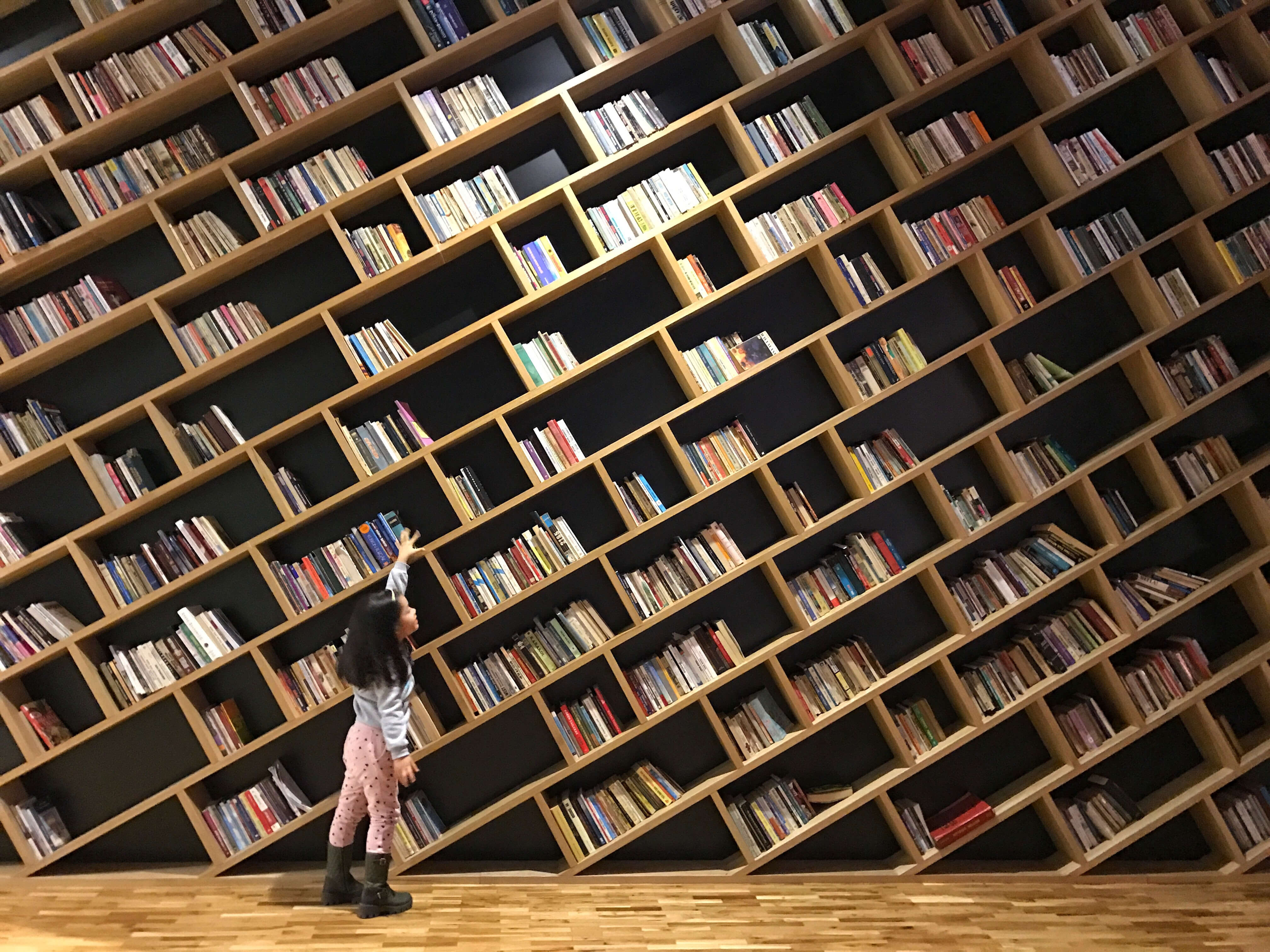
Bookshops are crucial local businesses. Unlike the tech giants they compete with, bookshops are intrinsic to our high streets: they invest in their employees and their local communities, and provide a vital service to society. Bookshops act as a cultural hub and a welcoming space, offering a meeting point for local people and encouraging diversity and inclusion within their neighbourhoods.
Without receiving any government subsidies, bookshops promote reading, literacy and education – participating in creating a knowledge society on a daily basis. Bookshops are about so much more than simply selling books: they are integral to the changing world in which we live. And they will continue to contribute to that world as long as they receive the support they need.

Below you will find links to initiatives we are involved in and partners that we work with closely.


The aim of the European Union Prize for Literature (EUPL) is to put the spotlight on the creativity and diverse wealth of Europe’s contemporary literature in the field of fiction, to promote the circulation of literature within Europe and to encourage greater interest in non-national literary works.
The works of the selected winners (one per country participating in the Prize on a rotation basis) will reach a wider and international audience, and touch readers beyond national and linguistic borders.
The Prize is financed by the Creative Europe programme of the European Commission, which aims to achieve three main goals: to promote cross-border mobility of those working in the cultural sector; to encourage the transnational circulation of cultural and artistic output; and to foster intercultural dialogue.
The consortium selected by the European Commission to coordinate the initiative is composed by the European and International Booksellers Federation (EIBF), the European Writers' Council (EWC) and the Federation of European Publishers (FEP). These three members are jointly responsible for the setting up of the national juries and the practical organisation of the award ceremony.
The Prize competition is open to the 41 countries currently involved in the Creative Europe programme. Each year, national juries in a third of the participating countries nominate their winning authors, making it possible for all countries and language areas to be represented over a three-year cycle.
RISE Bookselling is a network programme organized by the European and International Booksellers Federation (EIBF) and co-funded by the Creative Europe programme of the European Union.
FEP is an independent, non-commercial umbrella association of book publishers associations in the European Union. FEP represents 29 national associations of book publishers of the European Union and of the European Economic Area. FEP is the voice of the great majority of publishers in Europe.
Founded in 1967, FEP deals with European legislation and advises publishers’ associations on copyright and other legislative issues.
The European Writers’ Council is the federation of 41 national organisations of professional writers and translators in 27 countries including the EU, as well as Belarus, Iceland, Norway, Switzerland, Turkey and Montenegro, altogether writing in 31 languages.
The EWC’s member associations represent 150,000 individual authors in the book and text sector in all genres.
The EWC defends the professional interests of its members in economic, legal and political contexts, their right to remuneration and compensation for their works, their relevance in cultural and social policy, freedom of expression, freedom of association, and the importance of lesser spoken and written languages.
http://europeanwriterscouncil.eu/
The International Publishers Association (IPA) is the world's largest federation of national, regional and specialist publishers' associations. Our membership comprises 83 organisations from 69 countries in Africa, Asia, Australasia, Europe and the Americas. Through its members, IPA represents thousands of individual publishers around the world who service markets containing more than 5.6 billion people.
Based in Geneva, Switzerland, IPA represents the interests of the publishing industry in international fora and wherever publishers' interests are at stake.
https://internationalpublishers.org/
In this section, you will find EIBF opinion pieces, press releases, as well as an overview of most recent publications.